This post is part of my ongoing series documenting CETAP’s journey to help Bosnia and Herzegovina transition toward a circular economy.
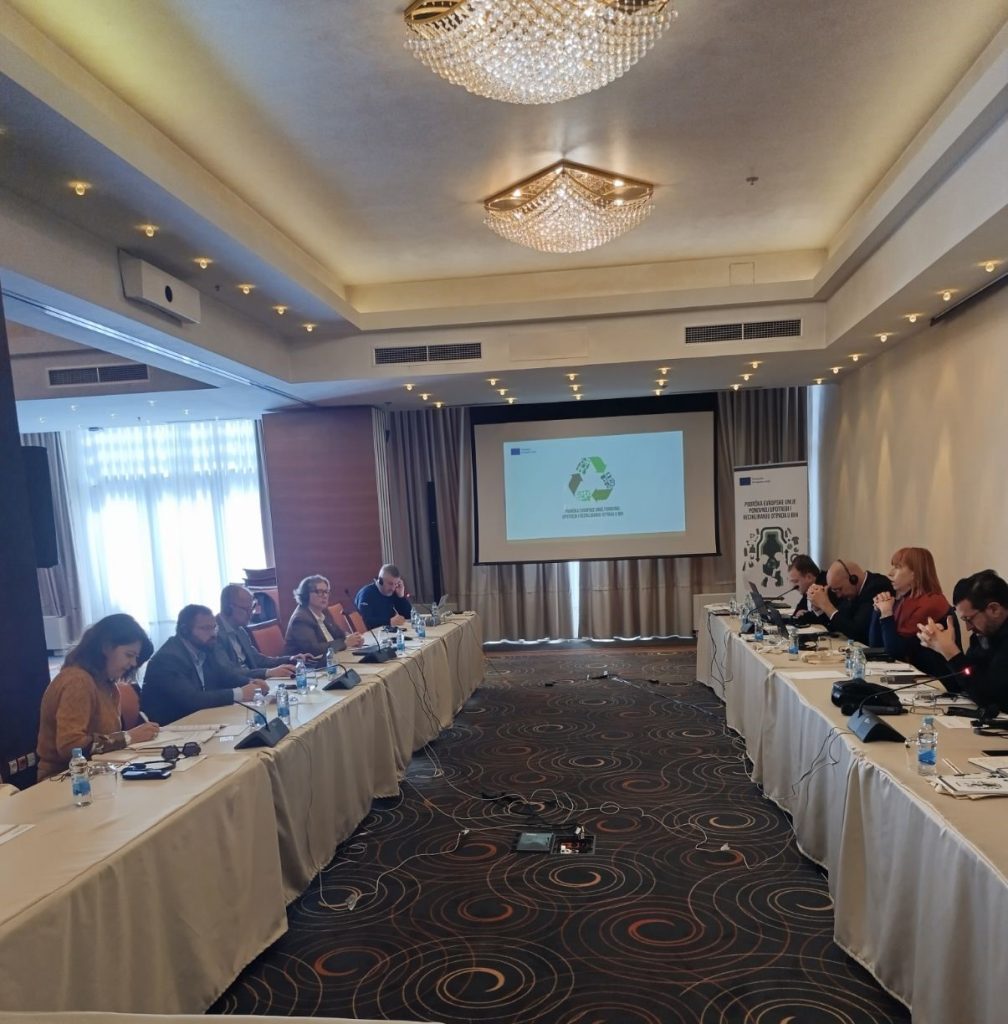
By March 2025, CETAP was in full motion, and our second Steering Committee meeting offered the chance to reflect on what had been achieved since launch — and where we needed to focus next.
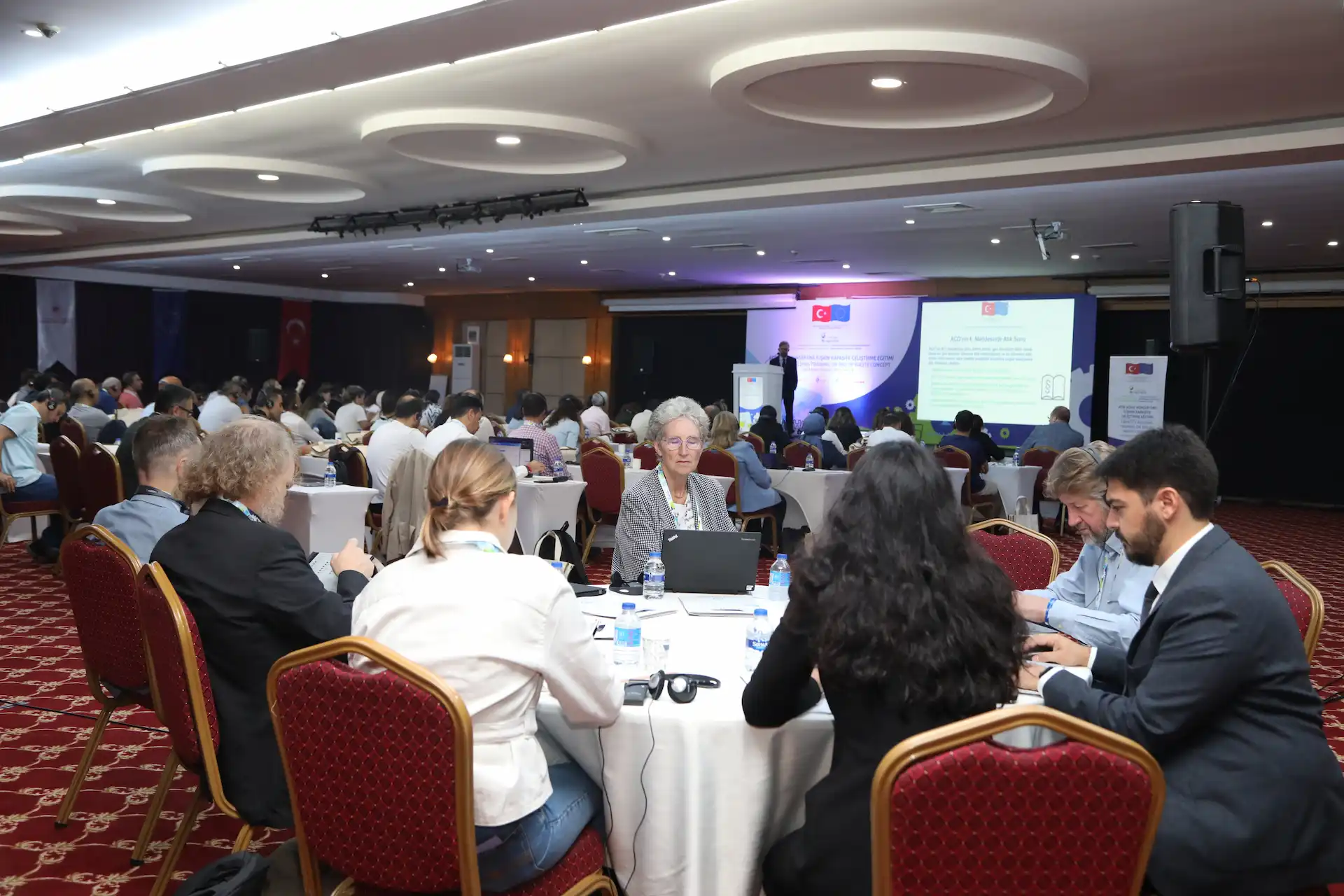
The March session in Sarajevo brought together representatives from our main beneficiaries: ministries from both entities, Brčko District, the EU Delegation, and our implementing partners COWI A/S and UBA. We reviewed the Draft Progress Report, covering November 2024 to February 2025 — four months of intense groundwork that laid the foundation for reform.
Our conversations centred on overcoming current challenges and ensuring that upcoming activities truly drive measurable improvement in waste management. It was encouraging to see so much cross-institutional support and a growing understanding of how separate collection, reuse, and recycling can strengthen both the environment and the economy.
For me, this meeting reinforced one of CETAP’s core strengths: collaboration. The enthusiasm and expertise of everyone around the table gave me confidence that Bosnia and Herzegovina’s circular-economy transition is both realistic and within reach.